
5 Parts of a Villa Maintenance Plan
A villa maintenance plan is a written plan for inspecting, servicing and recording the systems in a villa, so small faults are found early, instead of turning into breakdowns, water damage or emergency repairs. In Dubai, that plan matters more than in a cooler climate. Heat, dust, humidity and heavy air conditioning use wear a…
MBRHE Approved Contractor, Housing File No. 1076949. Approved company with Emirates Islamic Bank. 200+ completed projects. Office in Al Garhoud, Dubai.
A villa maintenance plan is a written plan for inspecting, servicing and recording the systems in a villa, so small faults are found early, instead of turning into breakdowns, water damage or emergency repairs.
In Dubai, that plan matters more than in a cooler climate. Heat, dust, humidity and heavy air conditioning use wear a villa down all year, and a fault that is easy to fix in March can become a major repair in August. A plan does not remove every fault. It gives you a rhythm, a record and a way to act before a fault controls your week.
This guide covers the five parts every good plan needs, plus the tables you need to build one for your own villa. Think of it as a villa maintenance plan Dubai owners can follow, whatever the age of the villa.
The short answer
What is a villa maintenance plan? It is five parts, kept together: an inspection schedule, AC servicing, electrical checks, plumbing checks, and paint and finish touch ups, with records kept after every visit.
Start with inspection. Then service the systems that carry the heaviest load. Then fix finishes before they deteriorate. And write everything down.
Part 1. Inspection schedule, the part that holds the plan together
An inspection schedule is a calendar of what will be checked, in which area, and with what result recorded. Without it, maintenance becomes memory, and memory misses rooms, systems and seasons.
A good schedule starts with a full property walkthrough. That walkthrough lists every system: cooling, electrical, plumbing, water storage, pumps, roof and terrace, waterproofing, doors, windows, sealants, paint and finishes, and outdoor areas. Each system then gets a check type, either a visual check you can do yourself, or a technical check that needs a trained technician.
The schedule should follow the Dubai year, not a generic calendar. Prepare cooling before summer, check waterproofing and drainage before humidity rises, and use the cooler months for bigger jobs like painting and renovation work. That rhythm is the single most useful idea in competitor maintenance calendars.
Table 1. Inspection schedule by system, general planning guide only
System | What the inspection looks for | General planning guide, not a Handy Care schedule |
|---|---|---|
Air conditioning and HVAC | Filters, coils, drainage, cooling consistency, noise, controls | Full service before summer, with filter checks in between |
Plumbing and drainage | Visible leaks, pressure, slow drains, fixture condition, water heater condition | A planned plumbing inspection in the cooler months, plus checks after any leak |
Electrical | Distribution board condition, loose points, heat marks, fixture condition, earthing observations | An annual safety inspection as a planning guide |
Water storage and pumps | Tank condition, sediment, pump noise, pressure, controls | Tank cleaning on a property schedule, guided by Dubai Municipality guidance |
Roof, terrace and waterproofing | Membrane cracks, grout, expansion joints, drainage outlets, pooling | A yearly roof and waterproofing review as a planning guide |
Doors, windows and sealants | Alignment, locks, seals, drafts, water entry points | A planned check at least once a year as a planning guide |
Paint and finishes | Fading, cracking, peeling, damp marks, touch up needs | A yearly finish review, with exterior work in the cooler months |
This table is a planning guide, not a fixed rule. Property condition, equipment type, manufacturer instructions and building requirements should shape the final timetable for your villa.
Part 2. AC servicing, the heaviest load in a Dubai villa
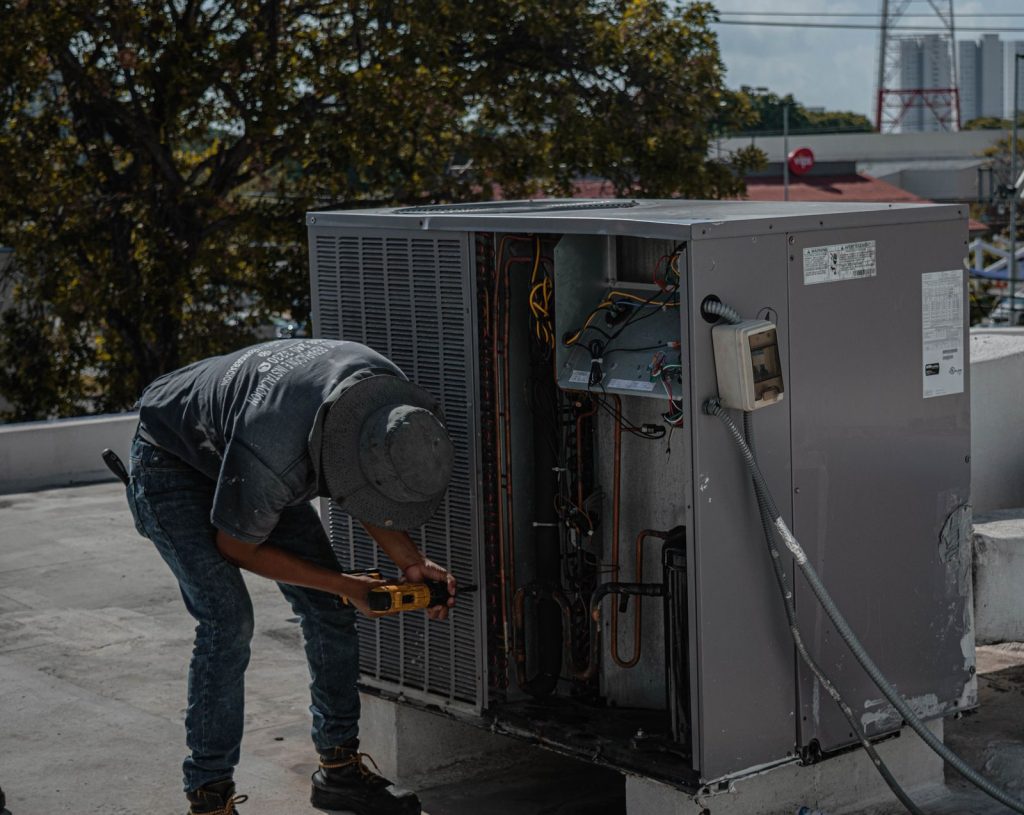
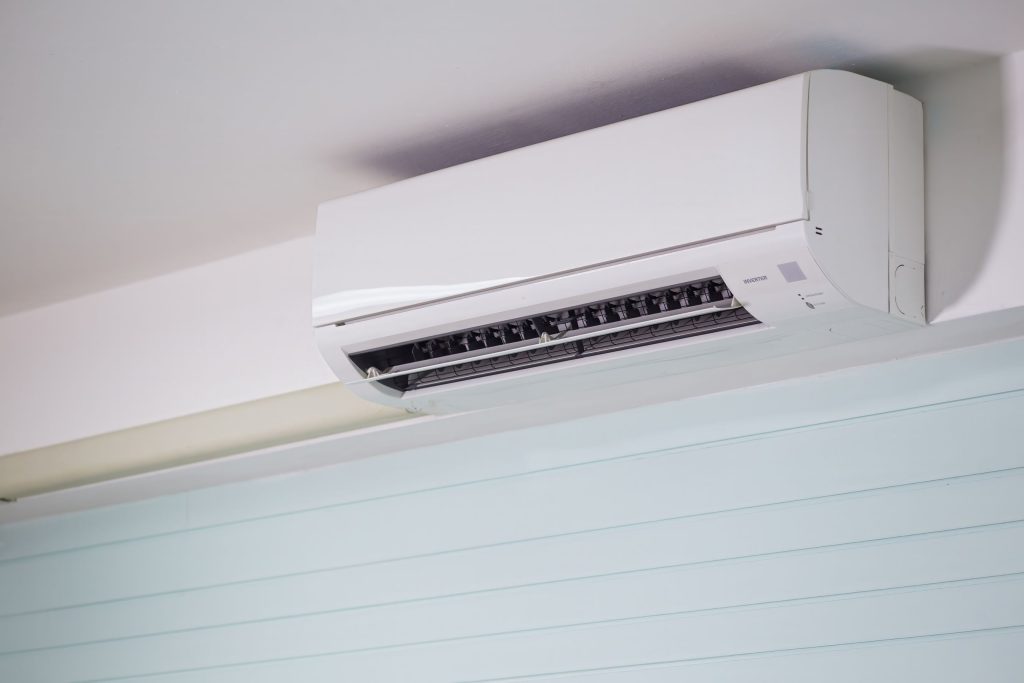
Air conditioning carries the heaviest load in a Dubai villa, through the longest summer, and it is the system most likely to fail when you need it most. That is why AC servicing sits at the centre of every Dubai maintenance plan.
A full AC service, as described in competitor guides, covers filters, coils, drainage, refrigerant checks where applicable, controls and airflow. Filter cleaning between services matters too, because dust builds up fast in Dubai, and a blocked filter reduces cooling and air quality.
The most important timing point is simple. Service before summer, ideally in March or April, before peak load exposes any weakness. A second service after summer, in September or October, is also common in competitor calendars, to clear the wear of the hot months.
Table 2. AC servicing checklist, what a service visit should cover
Item | Why it matters | What to record |
|---|---|---|
Filters | Blocked filters reduce cooling and air quality | Filter condition, cleaned or replaced |
Coils and drainage | Dirty coils and blocked drainage reduce performance and can cause leaks | Coil condition, drainage cleared, any leak found |
Cooling consistency | Uneven cooling points to airflow, control or equipment faults | Room by room cooling notes, any room that stays warm |
Controls and thermostats | Faulty controls waste energy and cause discomfort | Control settings, any control that does not respond |
Outdoor unit and airflow | Blocked airflow and debris reduce efficiency | Outdoor unit condition, airflow notes |
If a room stays warm while others cool well, do not ignore it. Note it, report it, and get it checked in the service visit, rather than waiting for a breakdown in peak summer.
Planning a project in Dubai? Talk to Handy Care before you sign.
Part 3. Electrical checks, safety first, then comfort
Electrical checks protect safety first, and comfort second. A distribution board, a circuit, a fixture or an earthing point that is damaged, loose or overheating is a safety issue, not a cosmetic one.
A planned electrical inspection, as described in competitor guides, covers the distribution board, circuits, fixtures and earthing observations. It looks for heat marks, damage, loose points and fixtures that flicker, buzz or feel warm. Older villas deserve extra attention here, because wiring, boards and earthing may not match newer standards.
Between inspections, watch for warning signs. A breaker that trips often, a socket that smells hot, a light that flickers without reason, or a fixture that feels warm are all reasons to get a check sooner, not later. Do not open a distribution board yourself. Note the fault, isolate the circuit if you know how to do so safely, and call a technician.
Info data. Electrical warning signs, act sooner, not later
Frequent breaker trips on the same circuit. A socket, switch or fixture that feels warm or smells hot. Lights that flicker, dim or buzz without a clear reason. Visible damage, discolouration or heat marks around a board, socket or fixture. Any of these signs means a check is due now, regardless of where you are in the schedule.

Part 4. Plumbing checks, small leaks become big damage
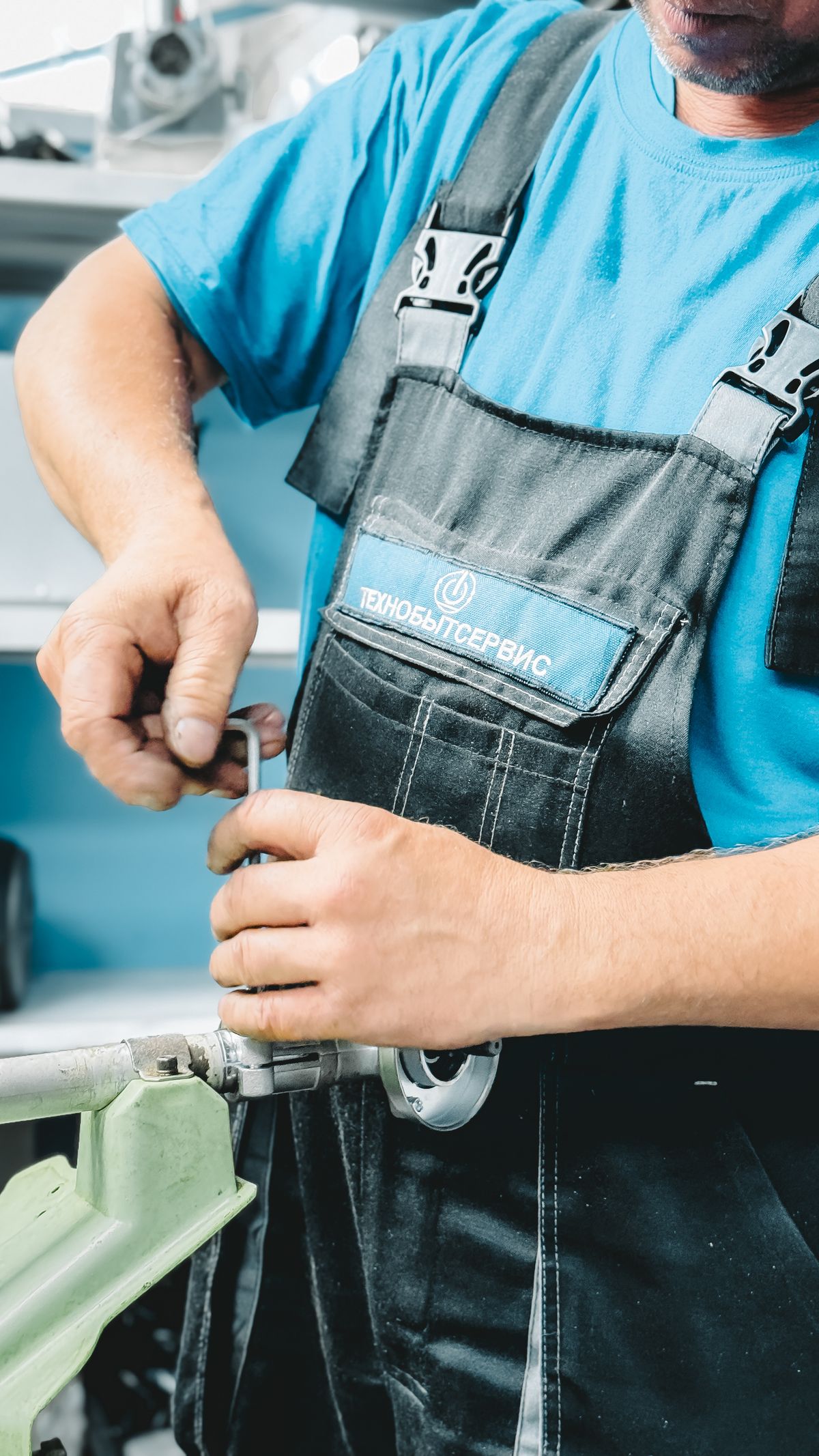
Plumbing faults rarely announce themselves loudly. A slow leak under a sink, a dripping valve, a blocked drain or a failing water heater can damage cabinets, floors, walls and finishes long before you notice water on the floor.
A planned plumbing inspection covers visible leaks, pressure, drains, fixtures, mixers, shower fittings and water heater condition. It also covers water storage, because tanks collect sediment and need cleaning on a property schedule. Competitor guides cite Dubai Municipality guidance for tank cleaning at least twice a year, in spring and autumn as practical times. Use that as a planning guide, and confirm the schedule for your own property.
Hard water is a constant factor in Dubai, and it affects fixtures, heaters and pipes over time. Note scale build up, slow flow or noisy pipes in your record, so a pattern can be spotted across visits, rather than treated as a one off fault each time.
Table 3. Plumbing and water checklist, by area
Area | What to check | What to record |
|---|---|---|
Kitchen and bathrooms | Taps, mixers, shower fittings, traps, visible pipes | Leaks, drips, slow flow, scale build up |
Water heater | Condition, temperature, leaks, scale | Heater condition, any leak or noise |
Drains | Slow drains, odours, backflow signs | Drain condition, any blockage cleared |
Water tank and pumps | Tank condition, sediment, pump noise, pressure | Tank cleaning date, pump condition |
Outdoor and garden water | Irrigation, outdoor taps, garden drainage | Leaks, irrigation faults, drainage pooling |
A leak found early is a small repair. A leak found late is a renovation. That difference is the whole case for a plumbing check in a maintenance plan.
Part 5. Paint and finish touch ups, protect the surface before it fails
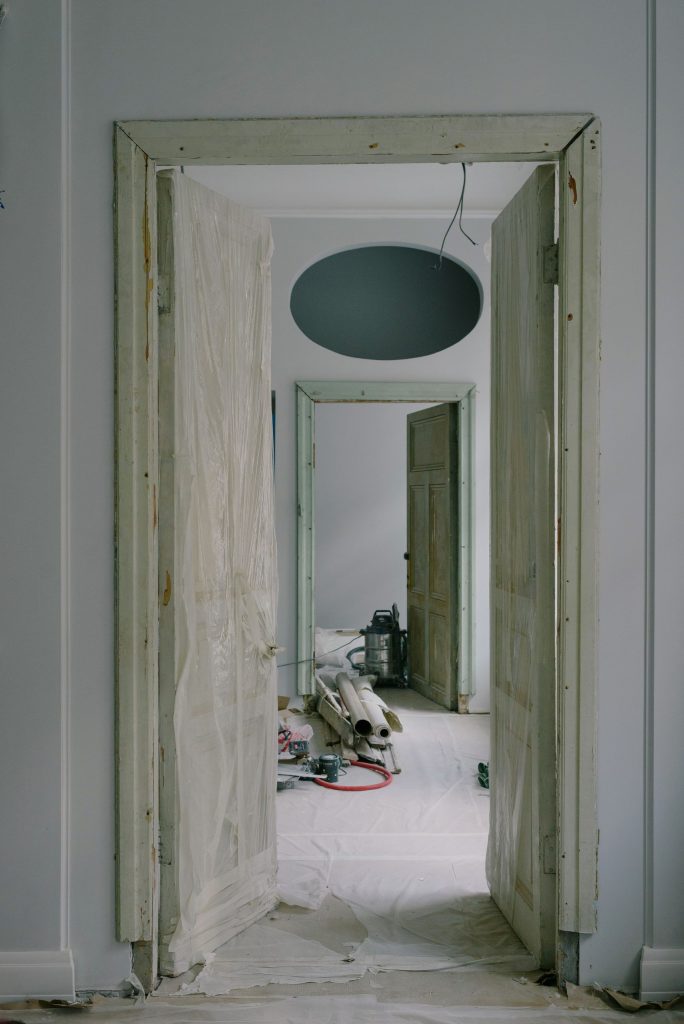
Paint and finishes are not only about appearance. They protect walls, ceilings, joinery and exterior surfaces from moisture, sun and wear. When paint peels, cracks or fades, the surface underneath starts to deteriorate.
Exterior paint in Dubai faces sun, wind and sand, which fade and erode protective layers. Competitor guides suggest exterior repainting every few years with weather resistant paint designed for Gulf climates, and roof recoating with heat reflective paint where applicable. Use the cooler months, from November to March, for painting and exterior work, when humidity is lower and working conditions are better.
Interior touch ups are smaller, but just as important. Touch up scuffs, chips and damp marks early, and note any damp mark that returns after touch up, because a returning damp mark usually points to a leak or waterproofing fault, not a paint fault.
Table 4. Paint and finish plan, interior and exterior
Surface | What to watch for | Planning guide |
|---|---|---|
Exterior walls and roof | Fading, cracking, peeling, UV damage, heat damage | Review yearly, plan repainting in the cooler months |
Interior walls and ceilings | Scuffs, chips, damp marks, peeling | Touch up as needed, investigate any returning damp mark |
Joinery and woodwork | Chips, wear, moisture damage, hinge and handle wear | Touch up and repair as needed, note moisture damage |
Doors, windows and sealants | Seal failure, drafts, water entry, alignment | Check seals yearly, replace failed seals before water entry |
Terrace and balcony finishes | Grout cracks, tile damage, drainage pooling | Check grout and drainage yearly, repair cracks early |

How does a villa maintenance plan apply to a villa or office project in Dubai?
A villa maintenance plan applies to a villa project in Dubai by protecting the whole property, from cooling and plumbing to roof, waterproofing and finishes, under one schedule. For an office, the same five parts apply, but the focus shifts to cooling, electrical safety, plumbing, and finishes in high traffic areas, with building rules and landlord requirements added to the schedule.
In both cases, the plan works only if it is written down, followed, and updated after every visit. A plan that lives in someone’s head is not a plan. It is a hope.
Handy Care building maintenance
Record keeping for owners, the part most plans skip
Record keeping is the part most maintenance plans skip, and it is the part that makes the plan valuable over time. Without records, every visit starts from zero, and recurring faults look like new faults each time.
Keep a simple record for every visit: date, system checked, fault found, action taken, parts used, and next check due. Add photographs for visible faults, like leaks, damp marks, cracks and finish damage, so change over time can be seen. Keep tank cleaning dates, AC service dates and electrical inspection dates in one place, so nothing is guessed later.
A good record also helps when you sell, rent or renovate. It shows a buyer or tenant that the villa was cared for, and it helps a contractor plan renovation work without starting from an unknown property.
Table 5. Maintenance record template, copy this for your villa
Date | System | Fault or condition found | Action taken | Next check due |
|---|---|---|---|---|
Air conditioning | ||||
Plumbing and water | ||||
Electrical | ||||
Roof and waterproofing | ||||
Paint and finishes |
Planned versus reactive repairs, the cost difference
Planned maintenance means work is scheduled, scoped and priced before it becomes urgent. Reactive maintenance means work is done after a fault has already caused damage, disruption or danger.
Planned work is cheaper in three ways. It prevents secondary damage, like a leak damaging a floor. It allows work to be grouped, so one visit covers several systems. And it allows work to be timed for the cooler months, when access and working conditions are better.
Reactive work is more expensive in the same three ways. It follows damage, not before it. It is done alone, under pressure, often in peak summer. And it is done without a record, so the same fault can return unnoticed.
That does not mean every fault can be planned. Pumps fail, valves leak, and controls break without warning. A good plan accepts that, and keeps a clear route for urgent faults, while keeping planned work on schedule.
Frequently Asked Questions (FAQs)
Find answers to some common inquiries below. Reach out for more information!
A villa maintenance plan is a written plan for inspecting, servicing and recording the systems in a villa, so small faults are found early, instead of turning into breakdowns, water damage or emergency repairs. It has five parts: an inspection schedule, AC servicing, electrical checks, plumbing checks, and paint and finish touch ups, with records kept after every visit.
The five parts are an inspection schedule, AC servicing, electrical checks, plumbing checks, and paint and finish touch ups, with records kept after every visit. Start with inspection, then service the systems that carry the heaviest load, then fix finishes before they deteriorate, and write everything down.
Service before summer, ideally in March or April, before peak load exposes any weakness. A second service after summer, in September or October, is also common, to clear the wear of the hot months.
Competitor guides cite Dubai Municipality guidance for tank cleaning at least twice a year, in spring and autumn as practical times. Use that as a planning guide, and confirm the schedule for your own property.
Frequent breaker trips on the same circuit, a socket, switch or fixture that feels warm or smells hot, lights that flicker, dim or buzz without a clear reason, and visible damage, discolouration or heat marks around a board, socket or fixture. Any of these signs means a check is due now, regardless of where you are in the schedule.
Date, system checked, fault found, action taken, parts used, and next check due. Add photographs for visible faults, like leaks, damp marks, cracks and finish damage, so change over time can be seen. Keep tank cleaning dates, AC service dates and electrical inspection dates in one place.
Deferred maintenance is work postponed until a fault forces action. A deferred leak becomes a damaged floor, a deferred AC service becomes a mid summer breakdown, and a deferred seal becomes water entry and finish damage. A maintenance plan exists to keep work ahead of faults, not behind them.
Planning a project in Dubai? Talk to Handy Care before you sign.
Next steps and related reading on villa maintenance plan Dubai
Start with a full property walkthrough, and write down every system in your villa. Build a schedule from Table 1, using the general planning guides as a starting point, and adjust it for your property condition, equipment and occupancy. Keep a record from the first visit, using Table 5, and review the record at least once a year, to see which faults recur and which systems need more attention.
Related reading in this series will cover common villa defects and AC maintenance checks, once those posts are live. Those links are not added here yet, because those posts are not live yet.
To discuss building maintenance for your villa in Dubai, contact Handy Care for a quote, and bring your maintenance record to the conversation.
Deferred maintenance as the opposite pole of villa maintenance plan
Deferred maintenance is the opposite pole of a villa maintenance plan, because it means work is postponed until a fault forces action. A deferred leak becomes a damaged floor. A deferred AC service becomes a mid summer breakdown. A deferred seal becomes water entry and finish damage.
A maintenance plan exists to keep work ahead of faults, not behind them. Every part of this guide, inspection, AC servicing, electrical checks, plumbing checks and finish touch ups, is a way to stay ahead, rather than catching up after damage is done.
Ready to Remodel Your Property? Schedule a Free Local Consultation Today.
Areas We Serve in Dubai & UAE
Providing expert villa renovations, new G+1 construction, and maintenance services across all major Dubai communities.
Areas We Serve
Dubai Marina, JLT, Palm Jumeirah, Jumeirah, Umm Suqeim, Downtown Dubai, Business Bay, Dubai Hills, Arabian Ranches, Emirates Hills, JVC, Al Barsha, Mirdif, Al Quoz, Dubai Silicon Oasis, Dubai South
Not listed? Just ask! For wider reach, we also work with clients seeking construction companies in the UAE who need a Dubai-licensed partner for villa or commercial projects.
Related Services to Explore
Explore Villa Renovation for a complete refresh of your home in Dubai.
See New Build G+1 for a new villa or building built from the ground up.
Keep Building Maintenance in mind for ongoing repairs and upkeep after handover.
Contact Handy Care to discuss your project and request a quote.

Meet the Contractor

MBRHE Approved Contractor, Housing File No. 1076949. Approved company with Emirates Islamic Bank. 200+ completed projects. Office in Al Garhoud, Dubai.
Service Matrix
- Villa Renovation
- New Build G+1
- Building Maintenance
- MEP Services
- Structural Foundations
- Interior Refurbishment
- Luxury Bath Renovations
- Custom Kitchen Additions
- Contact Handy Care
Leave a Reply